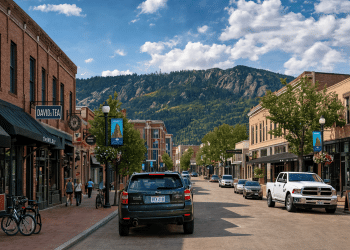


Walk down The Hill on a Thursday night in September and you’ll hear it before you see it: the clatter of bikes on brick, the smell of burritos drifting from open doors, and a table of freshmen celebrating some small victory with pitchers of Bud Light. The University of Colorado Boulder is everywhere—in the backpacks, the noise, and the unmistakable energy of more than 36,000 students living and studying in one of the most beautiful cities in America.
But does that make Boulder a college town?
The short answer… yes and no.
CU Boulder has a huge presence in the city and shapes much of the local culture, especially in neighborhoods like The Hill. Yet Boulder is also far more than a traditional college town. The city is home to tech companies, entrepreneurs, outdoor enthusiasts, and long-time residents who give Boulder a diverse and active community year-round.
Unlike places where student life completely dominates the local identity, Boulder blends university culture with business innovation and outdoor adventure. Understanding that balance helps explain what makes Boulder different from many other well-known college towns.
Let’s break down what that means and how Boulder compares to other college towns across the United States.
How CU Boulder Shapes the City
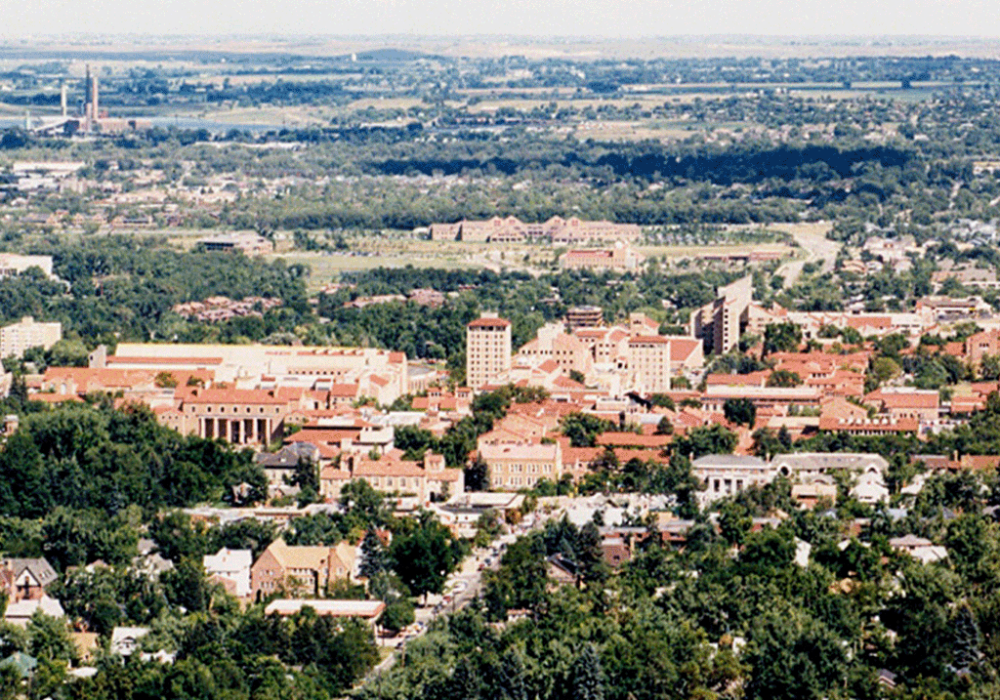
CU Boulder is a flagship institution with a deep connection to Boulder’s identity. The school’s academic reputation, research programs, and Division I athletics bring in students, faculty, and visitors from all over the country. The impact of CU is felt in several ways:
- Student Population – With over 36,000 students enrolled, a significant portion of Boulder’s population has direct ties to CU Boulder. While the city has around 108,000 residents, students make up a noticeable part of the community. (CU Boulder Enrollment Data)
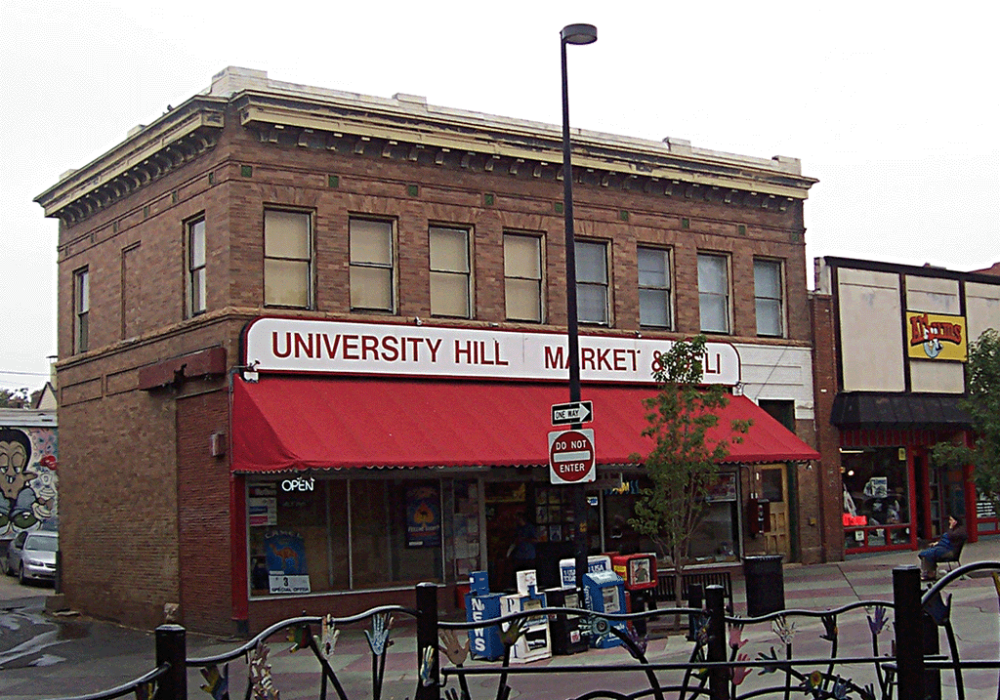
- The Hill – This neighborhood, directly next to campus, is a hotspot for student life, filled with restaurants, coffee shops, and nightlife. It’s one of the most college-centric areas in Boulder.
- Athletics & School Spirit – Folsom Field, home to the CU Buffs, regularly draws tens of thousands of fans, especially since the football program gained national attention under Coach Deion Sanders. Game days turn Boulder into a sea of black and gold.
Boulder’s Economy & College Influence
Unlike small college towns where the university is the primary economic driver, Boulder has a diverse economy. Tech companies, startups, and established businesses play just as big of a role as CU Boulder. That said, the university still has a significant impact:
- Jobs – CU Boulder employs thousands of faculty and staff, contributing to the local job market.
- Housing Market – The student population keeps demand for rentals high, particularly in areas near campus. Housing prices in Boulder are already high, and the university’s presence adds to the competitive market.
- Businesses Cater to Students – Many bars, cafes, and restaurants thrive on student traffic, particularly on Pearl Street and The Hill.
Student Culture vs. Local Living
Boulder has a strong student presence, but it doesn’t completely revolve around the university. Many residents live here for the outdoor lifestyle, job opportunities, and entrepreneurial environment. Here’s how the balance plays out:
- Nightlife & Social Scene – While Boulder has its fair share of bars and late-night spots (many student-friendly), it also has an upscale dining and craft brewery scene that appeals to professionals.
- Outdoor & Recreation Focus – CU students take advantage of Boulder’s outdoor lifestyle, but the broader community also values hiking, cycling, and fitness.
- Aging Population & Family Life – Boulder isn’t just for college students—many residents have lived here for decades. Families, retirees, and working professionals all share the city with CU students.
How Boulder Compares to Other College Towns
Boulder doesn’t fit the mold of a classic college town like Ann Arbor, Michigan, or Athens, Georgia. Here’s how it stands out:
- More Than Just Students – Many college towns revolve entirely around student life, but Boulder is an economic and outdoor hub as well.
- Higher Cost of Living – Many traditional college towns have affordable housing. Boulder’s cost of living is high, making it more expensive for students and residents alike.
- Industry & Innovation – With a strong tech presence and research institutions beyond CU, Boulder has a diverse professional landscape.
So What Is Boulder, Exactly?
Boulder is a college town the way New Orleans is a tourist town: it’s real, it’s visible, and it shapes the culture. But if you think that’s the whole story, you’re missing most of it.
If you move here for CU Boulder, you’ll find exactly what you’re looking for: a campus with serious academic credibility, Division I sports that now carry national attention, and a social scene that stretches from The Hill to the mountains and back. For many students, the university truly feels like the center of the city.
But if you move here as a professional, raise a family, or retire in Boulder, the experience is different. You might pass students on The Hill, cheer at a Buffs game in the fall, and enjoy the energy the university brings — while living a life that CU influences but doesn’t define.
That’s the honest answer to whether Boulder is a college town: it depends entirely on where you’re standing.
Frequently Asked Questions (FAQs)
Is Boulder Colorado a college town?
Yes. Boulder is home to the University of Colorado Boulder, which has more than 36,000 students. The university strongly influences the city’s culture and economy, but Boulder also has a large professional community, tech companies, and an active outdoor lifestyle.
How much does CU Boulder influence Boulder’s economy?
CU Boulder is one of the city’s largest employers and supports many local businesses. The university also contributes to Boulder’s startup and tech ecosystem through research, innovation, and graduates who stay in the area.
Does CU Boulder affect housing prices in Boulder?
Yes. The large student population increases demand for rentals, especially near campus areas like The Hill and Central Boulder. This demand contributes to Boulder’s higher housing costs compared to many other college towns.
What neighborhoods are popular with students in Boulder?
The Hill is the most popular student neighborhood because it sits next to campus and has many restaurants, bars, and student housing. Parts of Central Boulder and areas along University Avenue are also common choices.
Is Boulder expensive for students?
Yes. Boulder has a higher cost of living than many college towns, particularly for housing. Many students manage expenses by sharing housing, cooking at home, and taking advantage of free outdoor activities.
Does Boulder feel empty in the summer when students leave?
Not really. While some students leave during the summer, Boulder remains busy with tourists, outdoor enthusiasts, professionals, and local residents. Popular spots like Pearl Street and nearby hiking trails stay active throughout the season.
What neighborhoods are best for students vs. professionals?
Students typically live near campus in areas like The Hill and parts of Central Boulder. Professionals and families often prefer quieter neighborhoods such as North Boulder, Table Mesa, or nearby cities like Louisville and Lafayette.

CONTACT THE PHILLIPS TEAM TO HELP YOU WITH YOUR NEXT BOULDER AREA HOME
Shad & Claudine Phillips – Certified Mountain Area Specialist 303-218-6926
Have Questions? – Text @ 214-682-2113 – No Really, I Don’t Mind!