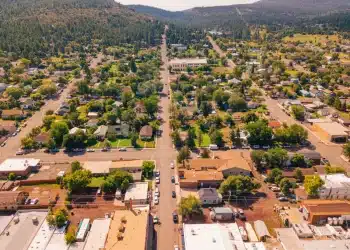
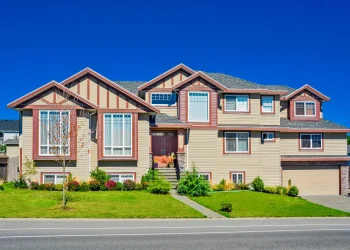
Boulder, Colorado, sits at the base of the Rocky Mountain foothills in North-Central Colorado, about 25–30 miles northwest of Denver. At 5,430 feet of elevation, it’s known for the iconic Flatirons rock formations, world-class outdoor recreation, and the University of Colorado Boulder campus that brings energy to the city.
But if you’re thinking about moving here or just trying to decide whether Boulder is worth choosing over other Colorado cities, you’re probably asking the same questions I hear all the time: Is Boulder the right place for me? Is it worth the hype? What are the real downsides?
As someone who has spent quite a lot of time in Boulder, like years, so, in this guide, I’ll walk you through the honest advantages and disadvantages based on my local experience. By the end of this blog, you’ll know what to expect and whether Boulder fits your lifestyle and budget:
Boulder at a Glance
- Population: Approximately 106,800 residents.
- Demographic: Young and active, with an average age around 28.6 years.
- Education & Economy: Home to the University of Colorado Boulder and a thriving hub for tech companies, research institutions, and startups.
Culture & Community: Known for its vibrant Pearl Street Mall, diverse dining and arts scene, and a community where walking and biking are the norm.
What Living in Boulder Actually Feels Like?
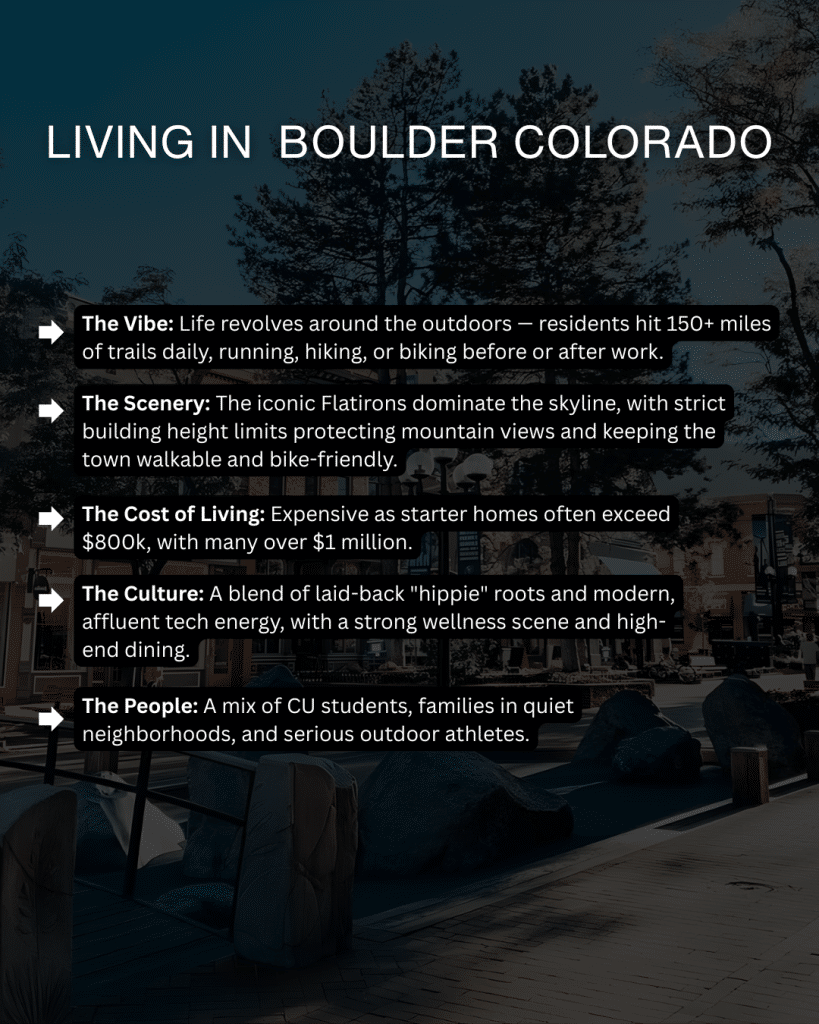
Living in Boulder, Colorado, feels like a blend of upscale mountain town vibes, college energy, and a health-conscious, active lifestyle, all set against the backdrop of the iconic Flatiron mountains. You get 300+ days of sunshine each year and quick access to hiking, biking, and skiing. But housing is expensive, with average home prices often over $1 million.
Boulder offers an active, outdoor-focused lifestyle with a strong wellness culture. U.S. News & World Report, a leading authority on rankings and consumer advice, named Boulder one of the Best Places to Live in the nation for 2024-2025. Boulder ranked No. 10 overall in the general rankings.
“I’m incredibly proud that Boulder has been recognized as one of the best places to live in the country,” said City of Boulder Mayor Aaron Brockett. ” This ranking is a testament to our community’s dedication to maintaining a high quality of life, supported by our environmental stewardship, unparalleled outdoor recreation opportunities, vibrant arts community, and entrepreneurial spirit that make Boulder a fantastic place to call home.”
Here is what it actually feels like to live in Boulder:
Pros of living in Boulder
Outdoor Paradise
Boulder is basically heaven if you love being outside. On any given morning, you’ll see people heading to the trails before work, not because they’re training for something, just because that’s what people do here. There are over 300 miles of trails around Boulder, and honestly, they get used.
The Flatirons are right there when you look up. You can’t miss them. And Boulder Creek runs through the middle of town, so even if you’re just walking downtown, you’re still kind of in nature. It’s weird how normal that becomes.
What surprised me most is how much open space Boulder has actually protected, something like 45,000 acres. Combined with 300 sunny days a year, people are outside constantly. When winter comes, it doesn’t really change. People just switch to skiing. Eldora’s close, so weekend trips are easy.
A Culture of Wellness
Wellness isn’t some trendy thing in Boulder. It’s just how people live in Boulder. There are yoga studios everywhere, and I mean everywhere. The farmers’ markets are actually busy too. People shop there regularly and know the vendors by name.
Pearl Street is where everyone ends up at some point. You’ll see people grabbing coffee in the morning, meeting for lunch, or sitting down for dinner at one of the nicer health-focused spots. It’s this natural place where the whole community overlaps.
People here genuinely care about living well, and you can tell. It’s not for Instagram or anything like that. Boulder gets ranked as one of the healthiest cities in the U.S. pretty regularly, and honestly, it makes sense. People walk more, eat better, and actually prioritize balance instead of just talking about it.
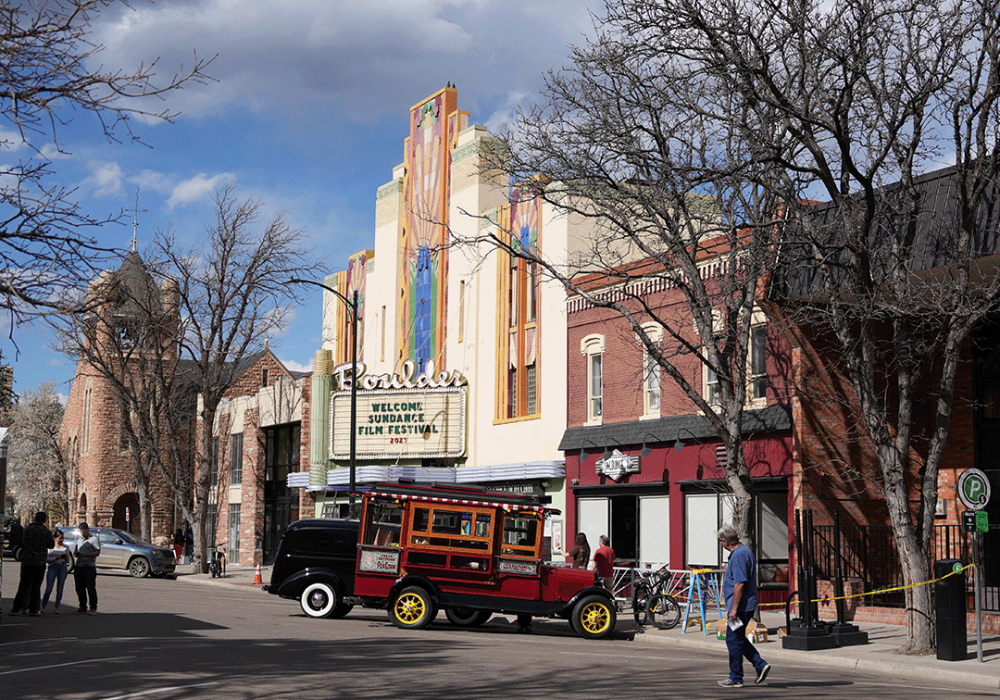
Boulder has a different kind of energy because it’s a college town. The University of Colorado brings in thousands of students every year, and that keeps things feeling fresh and creative. You notice it right away.
Pearl Street Mall is basically the center of everything. On any given night, there’s live music, street performers, or some kind of event happening. I’ve walked through there more times than I can count. Sometimes it’s just to grab dinner or check out the local shops, but other times there’s something bigger going on, like the Boulder International Film Festival, an indie film screening at the Boulder Theater, or a random art show.
The mix of people here is interesting. You’ve got college students, professors, families, tech workers, and serious athletes all in the same space. Somehow it works. There’s this balance between the arts scene, the academic side from CU, and the outdoor culture that defines Boulder. It pulls different types of people together in a way that actually feels natural.
Most cities lean hard in one direction. Boulder manages to blend all three without feeling forced, and that’s probably why the community vibe here stands out.
Thriving Economy and Innovation
Boulder’s job market is stronger than you’d expect for a city this size. It actually ranks as one of the top-performing markets in the country, which honestly surprised me when I first started looking into it. The economy runs on tech, renewable energy, and outdoor retail, so there’s a good mix of industries here.
Big names like Google and Ball Aerospace have offices in Boulder, and the University of Colorado is one of the largest employers in the area. That brings stability you don’t always find in smaller cities.
What it means in real terms is that jobs are out there. The median income in Boulder is higher than the national average, so if you’re looking to grow your career or switch industries, there are actually options. It’s not just one sector dominating everything. You’ve got tech startups, established aerospace companies, research jobs, and outdoor brands all operating here at the same time.
Environmental Sustainability
Boulder takes sustainability seriously. I noticed it right away when I visited here for the very first time. New buildings have to meet green standards, so you don’t see random construction going up without any environmental thought. There’s a zero-waste goal citywide, and most places I go have separate bins for trash, recycling, and compost sitting right next to each other.
The bike path network is massive. Over 300 miles of paths run through the area, and I use them all the time. Some mornings when I’m biking to work, there are more bikes on the path than cars on the road next to me. It feels different.
If you want to live sustainably, Boulder makes it straightforward. I shop at grocery stores with bulk sections so I’m not constantly buying things wrapped in plastic. I see solar panels on roofs everywhere I go. Every major parking lot I’ve used has electric vehicle charging stations. In my neighborhood, composting is part of regular trash pickup. I don’t have to go out of my way for it.
Boulder gets ranked high for quality of life constantly, and I think the way the city handles the environment is a huge part of that. Open space stays protected instead of getting turned into housing developments. I’ve watched the city monitor air quality and maintain trail systems year round. I’m living somewhere that’s actively trying to preserve what makes it special instead of just letting everything get built over.
Cons of living in Boulder
High Cost of Living
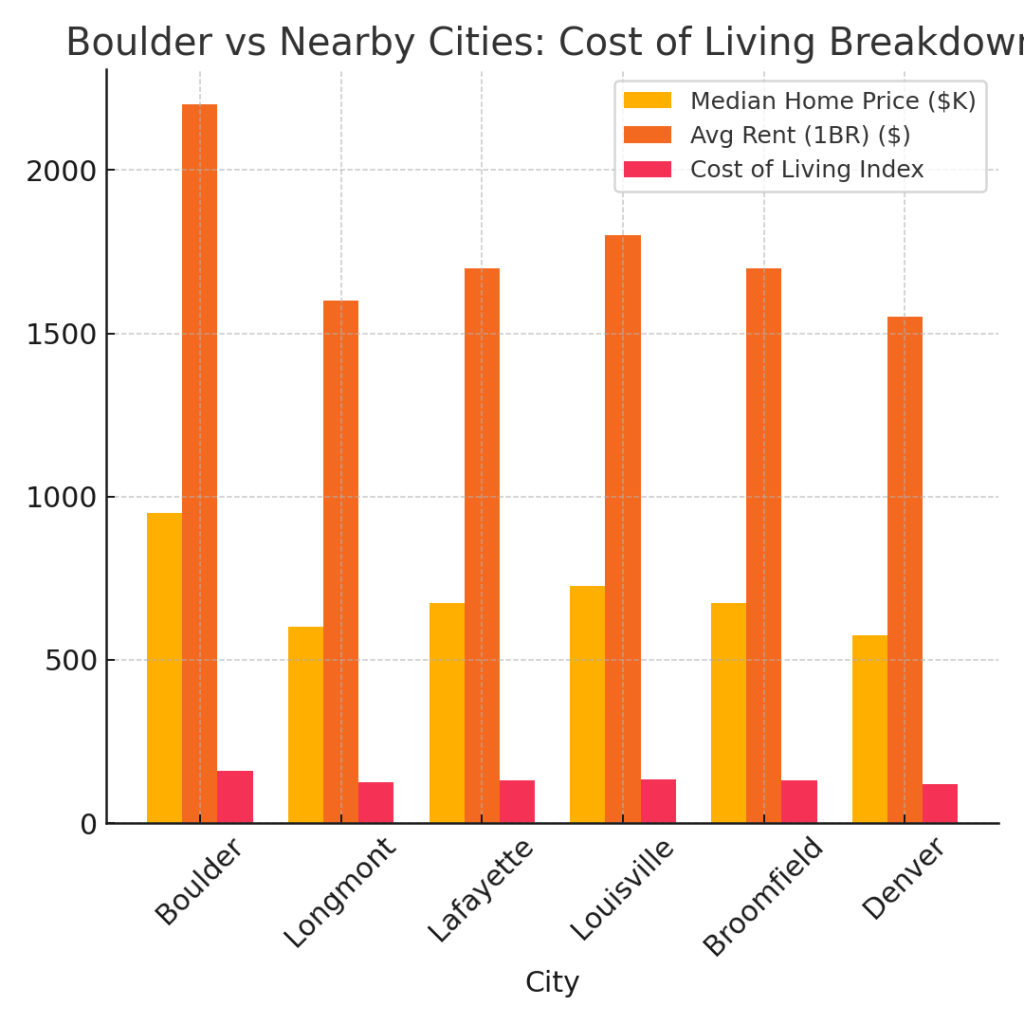
Boulder is expensive. I’m not going to sugarcoat it. The cost of living here is about 41 to 69% higher than the national average, and housing is the biggest culprit. Median home values are over a million dollars now. Even renting a modest apartment runs you steep monthly costs compared to nearby cities like Longmont or Lafayette.
It’s not just housing either. Groceries cost more. Utilities are higher. Even basic services add up fast. When I first moved here, I was surprised how quickly my budget felt tight, even with what I thought was a decent income. A lot of people I know, especially newcomers, struggle to maintain a comfortable lifestyle on what would be considered average incomes elsewhere.
For a full breakdown of what it really costs to live in Boulder, check out my blog on the cost of living in Boulder for complete details and current data.
Crowds and Tourism
Boulder has traffic issues you wouldn’t expect for a city this size. The roads weren’t really built for the number of people trying to use them now, especially during rush hour. A big part of the problem is that growth controls have limited new housing, so tons of people live outside Boulder and commute in for work. That puts serious strain on the main routes.
Boulder has invested a lot in bike paths and pedestrian infrastructure, which is great if you can use them. But public transit is still pretty limited compared to bigger metro areas. I’ve also found parking to be a constant headache, both downtown and in residential neighborhoods. If you need a car for errands or your commute, it gets frustrating fast.
Limited Housing Options
Finding housing in Boulder is tough. The city has strict zoning and growth limits, so there just isn’t much inventory. When something does come on the market, it gets snapped up immediately. I’ve seen people lose out on rentals because they waited a day to submit an application.
The limited supply has driven prices way up and left very few options for middle or lower income households. Even student housing, which you’d think would be cheaper, is under pressure from demand. A lot of people I know have given up on finding something affordable in Boulder itself. They end up looking in neighboring cities like Louisville or Broomfield and just commute in for work or to access the lifestyle.
Weather and Altitude
Boulder sits at about 5,430 feet elevation, and if you’re coming from sea level, that adjustment is real. I felt it when I first got here. The air is thinner, and the climate is dry, which means low humidity and intense sun exposure. You have to drink way more water than you’re probably used to.
Winters can be cold with a lot of snow. Summers are usually nice, but temperature swings happen fast. I’ve had days where it’s warm in the afternoon and freezing by evening. Some people get mild altitude sickness at first or deal with dehydration until their body adapts. You also have to think differently about clothing and outdoor plans because the weather changes quickly between seasons.
Tourism & Population Pressure
Boulder is popular, and you feel it, especially in warmer months and on weekends. The Pearl Street Mall draws huge crowds. Parking becomes a nightmare. Local services get overwhelmed. If you’re a long term resident who values a quieter atmosphere, the constant flow of visitors can be annoying.
Peak tourism times also mean more traffic and longer wait times everywhere. I’ve waited 30 minutes for a table at places that normally seat you right away. Trailheads fill up by mid morning on Saturdays.
Even routine errands feel more crowded than they should for a city this size. It’s one of those trade offs of living somewhere that everyone wants to visit.
So, What’s My Honest Opinion?
Living in Boulder means balancing an amazing lifestyle with higher costs. The city offers easy access to the outdoors, a strong community, and good job opportunities, but housing is expensive and competition is high.
Therefore, whether Boulder is right for you depends on your budget, priorities, and how important an active, outdoor-focused lifestyle is to you.

CONTACT THE PHILLIPS TEAM TO HELP YOU WITH YOUR NEXT BOULDER AREA HOME
Shad & Claudine Phillips – Certified Mountain Area Specialist 303-218-6926
Have Questions? – Text @ 214-682-2113 – No Really, I Don’t Mind!
FAQs
What makes Boulder, CO, a great place to live?
Boulder offers a unique blend of natural beauty, a strong sense of community, and a progressive culture. Residents enjoy access to world-class outdoor activities, a vibrant food scene, and a commitment to sustainability.
What are the downsides of living in Boulder?
The primary drawbacks include a high cost of living, limited affordable housing, and a competitive real estate market. Additionally, the city’s public transportation options are somewhat limited.
How is the job market in Boulder?
Boulder boasts a strong economy with a focus on technology, research, and education. The presence of the University of Colorado Boulder contributes to a thriving job market.
What is the cost of living like in Boulder?
Boulder is considered one of Colorado’s most expensive cities. Housing costs are significantly higher than the national average, and everyday expenses can also be steep.
Is Boulder a safe city to live in?
Boulder is generally considered safe, with lower crime rates compared to national averages. However, like any city, it’s advisable to stay informed about local safety conditions.
Who is Boulder best for?
Boulder is ideal for outdoor enthusiasts, health-conscious individuals, students, and professionals who value an active, eco-friendly lifestyle. It may be less suited for those on a tight budget or unaccustomed to mountain winters.
What salary do you need to live comfortably in Boulder?
A household income of roughly $90,000–$120,000 generally allows for a comfortable lifestyle, depending on housing choices, family size, and personal expenses.