


Ask anyone who’s lived in Boulder for a while, and they’ll tell you: the weather here changes fast, and it shapes almost everything about daily life. Located at the foothills of the Rocky Mountains, Boulder experiences four distinct seasons, abundant sunshine, and low humidity.
A morning walk along Boulder Creek or a hike near the Flatirons can begin under clear blue skies and end with a passing afternoon storm. Winter brings snow-covered trails and crisp mountain air, while summer offers warm days perfect for exploring the outdoors. That mix of sunshine, snow, and changing conditions is part of what makes Boulder’s climate unique.
Whether you are planning a visit, thinking about moving to Boulder, or simply curious about the local climate, knowing what to expect can help you plan better. In this guide, I will cover Boulder weather by season, average temperatures, snowfall, rainfall, sunny days, and practical tips for enjoying the city year-round.
What Is the Weather Like in Boulder, Colorado?
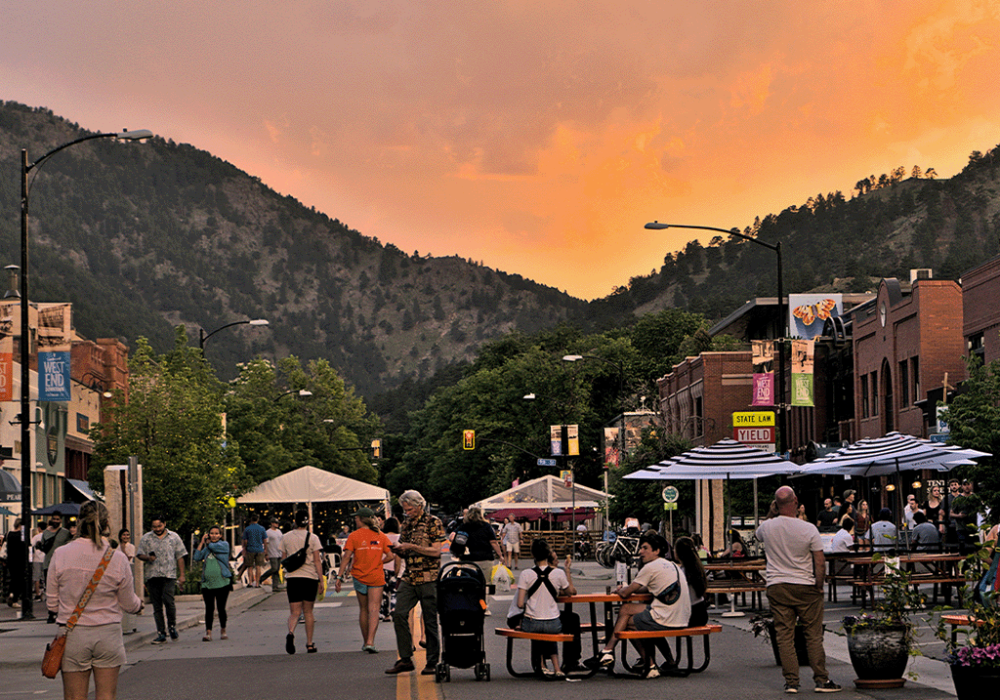
Boulder, Colorado, experiences a unique semi-arid climate shaped by its location at the base of the Rocky Mountains. Sitting at an elevation of around 5,430 feet near the Flatirons, the city enjoys plenty of sunshine, low humidity, and four distinct seasons.
Key characteristics of Boulder weather include:
- High elevation: Boulder’s altitude creates stronger sunlight, cooler evenings, and noticeable temperature changes between day and night.
- Low humidity: The dry climate often makes warm temperatures feel more comfortable compared to areas with higher humidity.
- Rapid weather changes: Conditions can shift quickly, with sunny mornings sometimes turning into afternoon thunderstorms or sudden temperature drops.
- Abundant sunshine: Boulder experiences sunshine throughout much of the year, making outdoor activities possible in every season.
- Mountain influence: The nearby Rocky Mountains affect local weather patterns, bringing snow in winter, summer storms, and cooler mountain air.
Because of these conditions, locals often dress in layers and check the forecast before heading outside. A jacket, sunscreen, and water bottle are useful year-round, especially if you plan to explore Boulder’s trails, parks, and outdoor spaces.
What Is Boulder Weather Like by Season?
Boulder experiences four distinct seasons, each bringing its own weather patterns, outdoor opportunities, and unique experiences. While temperatures can change quickly throughout the year, every season offers something different for residents and visitors.
Spring Weather in Boulder
Spring in Boulder is one of the most unpredictable times of the year. March can still bring snow, while April and May usually bring warmer temperatures, blooming landscapes, and more opportunities to enjoy the outdoors.
- Temperature: Average highs range from around 54°F (12°C) in March to about 72°F (22°C) in May.
- Weather conditions: Expect a mix of sunshine, rain showers, and occasional late-season snow.
- What locals know: Spring mornings can feel warm and comfortable, but keeping an extra layer nearby is always a good idea.
Summer Weather in Boulder
Summer is one of the most popular seasons in Boulder, especially for outdoor activities. Warm days, low humidity, and long daylight hours make it ideal for hiking, biking, climbing, and exploring the nearby trails.
- Temperature: Average highs reach around 82°F (28°C) in June and peak near 88°F (31°C) in July.
- Weather conditions: Summer days are usually sunny, but afternoon thunderstorms can develop quickly.
- Outdoor activities: Early mornings are often the best time for hiking and exploring before afternoon storms arrive.
Fall Weather in Boulder
Fall is a favorite season for many locals because of the comfortable temperatures, colorful scenery, and quieter trails. The foothills surrounding Boulder become especially beautiful as the leaves change.
- Temperature: September highs average around 77°F (25°C), cooling to about 59°F (15°C) by October.
- Weather conditions: Days are usually crisp and sunny, with cooler evenings.
- Why locals love it: Fall offers some of the best conditions for hiking, scenic drives, and outdoor events.
Winter Weather in Boulder
Winter in Boulder brings snow, colder temperatures, and plenty of sunny days. Although snowfall is common, the city’s sunshine often helps clear roads and trails quickly after storms.
- Temperature: Average highs are around 44°F (7°C) in January, Boulder’s coldest month.
- Snowfall: Boulder receives approximately 88 inches of snow each year.
- Outdoor activities: Winter is a great time for snowshoeing, skiing, snowboarding, and enjoying nearby destinations like Eldora Mountain.
Does It Get Cold in Boulder?
Yes, Boulder does get cold, especially during the winter months, but the city’s abundant sunshine often makes cold temperatures feel more manageable. From December through February, temperatures regularly drop below freezing at night, and snowfall is common.
Winter daytime temperatures are usually cooler than many lower-elevation cities, with average highs in the 40s°F. However, clear skies are frequent, and sunny afternoons can feel surprisingly comfortable even during the colder months.
One thing that surprises many visitors is the difference between morning and afternoon temperatures. A chilly start to the day can warm up quickly once the sun comes out, which is why locals often rely on layers rather than heavy winter clothing alone.
If you are planning to visit or move to Boulder during winter, it is a good idea to prepare for:
- Cold mornings and evenings
- Occasional snowstorms
- Icy conditions after snowfall
- Strong sunshine even on cold days
The cold is part of Boulder’s seasonal rhythm, and many residents enjoy winter because it brings snow-covered trails, mountain views, and easy access to nearby skiing and snowboarding.
What Is the Coldest Month in Boulder?
January is typically the coldest month in Boulder, with average daytime highs around 44°F (7°C) and nighttime temperatures often dropping below freezing. Cold fronts can bring lower temperatures, especially during winter storms, but extreme cold usually does not last for long.
Even during the coldest part of the year, Boulder’s sunshine makes winter weather feel different from many other cold-weather cities. Snowy mornings are often followed by bright, clear afternoons, and fresh snow can melt quickly when temperatures rise.
If you are visiting Boulder in January, it is best to be prepared for changing conditions. Warm layers, a winter jacket, gloves, and shoes with good traction can make exploring the city much more comfortable.
For many locals, January is also one of the best times to enjoy Boulder’s quieter side. The trails are less crowded, the mountains are snow-covered, and nearby destinations like Eldora Mountain offer easy access to winter activities.
What Is the Hottest Month in Boulder?
July is typically the hottest month in Boulder, with average high temperatures reaching around 88°F (31°C). Despite the warmer temperatures, Boulder’s low humidity makes summer heat feel more comfortable compared to many other areas with similar temperatures.
Summer days often begin with clear skies and warm sunshine, making mornings ideal for hiking, biking, climbing, and exploring the outdoors. However, afternoon thunderstorms are common during July and August, especially near the foothills and mountain areas.
Because of Boulder’s elevation, the sun can feel stronger than expected, so sunscreen, sunglasses, and plenty of water are important when spending time outside. Many locals plan outdoor activities earlier in the day and avoid exposed trails during afternoon storms.
For visitors, July and August are some of the most active months in Boulder, with outdoor events, festivals, and long daylight hours creating plenty of opportunities to enjoy the city.
How Many Sunny Days Does Boulder Get Each Year?

Boulder is known for its sunshine, and the popular saying that the city gets “300 days of sunshine” is one of the reasons many people are drawn to the area. While the exact number depends on how sunshine is measured, Boulder does experience significantly more sunny days than many parts of the country.
Located at a high elevation with a semi-arid climate, Boulder enjoys bright skies throughout much of the year. Even during winter, it is common to see sunny afternoons after a snowfall, which helps melt snow from roads, trails, and sidewalks.
According to National Weather Service climate data from the nearby Denver area, there are many clear and partly cloudy days each year, with relatively few fully cloudy days. This abundance of sunshine is one of the reasons outdoor activities remain popular year-round.
That said, Boulder weather can still change quickly. A sunny forecast does not always mean conditions will stay the same all day, especially near the foothills. Locals know it is always smart to carry sunglasses, sunscreen, and a light jacket when spending time outdoors.
Does It Snow in Boulder, Colorado?
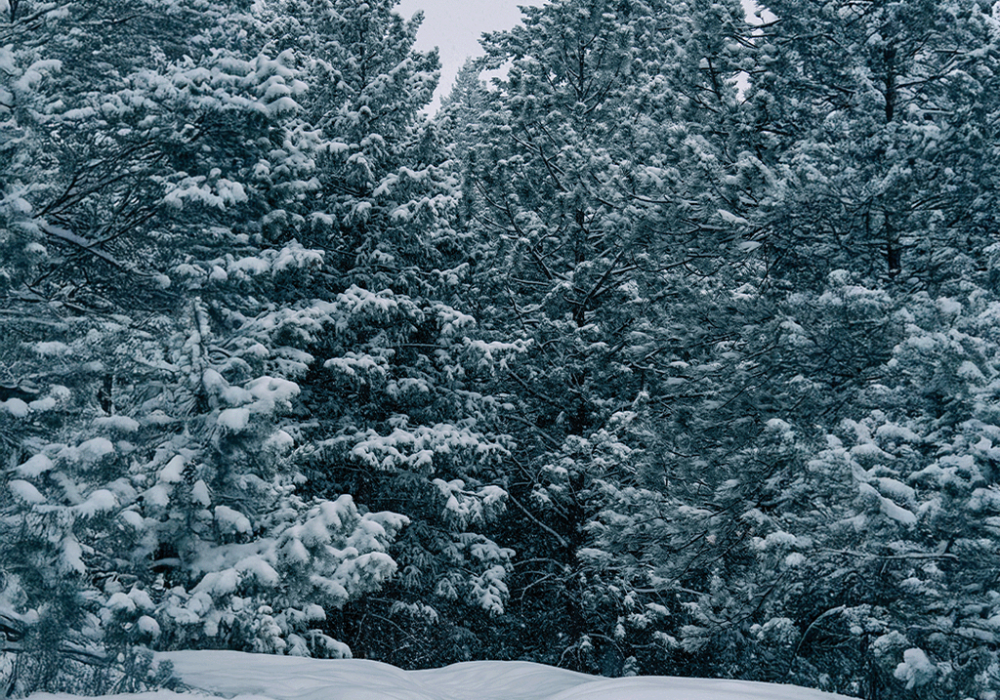
Yes, Boulder receives regular snowfall during the winter months, with an average of around 88 inches of snow each year. Snow transforms the city’s parks, trails, and mountain views into a winter landscape, but Boulder’s abundant sunshine often means snow does not stay around as long as visitors might expect.
Winter storms can bring fresh snow to the foothills, while clear blue skies often return shortly afterward. This cycle of snowfall followed by sunny days is one of the things many locals appreciate about living in Boulder.
Snow can impact driving conditions, especially during larger storms, so it is helpful to be prepared with winter tires, proper footwear, and extra time for travel. However, the city is well-equipped for winter weather, and many roads are cleared quickly after snowfall.
For outdoor enthusiasts, winter opens up even more opportunities. Eldora Mountain Resort is less than an hour away and offers skiing and snowboarding close to Boulder, while local trails remain popular for winter hiking and snowshoeing.
How Does Wildfire Season Affect Boulder Weather?
Wildfire season is an important part of understanding Boulder’s climate, especially during the hotter and drier months of late summer and early fall. While wildfires do not occur every year in the city itself, smoke from regional fires can sometimes affect air quality and create hazy skies across the Front Range.
Typically, the highest wildfire risk occurs from late July through September when temperatures are warmer, vegetation is dry, and conditions are more favorable for fire activity. During these periods, Boulder residents often pay closer attention to air quality updates before planning longer outdoor activities.
If you enjoy hiking, biking, or spending time outside, checking daily air quality reports can help you choose the best times to explore. On smoky days, it may be better to adjust outdoor plans, especially for those who are sensitive to changes in air quality.
Despite these occasional challenges, Boulder’s dry climate, sunshine, and access to outdoor spaces remain some of the biggest reasons people enjoy living and spending time here.
What Locals Know About Boulder Weather
One thing you quickly learn after spending time in Boulder is that the forecast does not always tell the whole story. The city’s location near the Rocky Mountains means weather conditions can shift quickly, especially near the foothills.
A clear morning can turn into a cloudy afternoon, and temperatures can drop once the sun goes down. This is why many locals follow a simple rule: dress in layers and be prepared for changing conditions.
The saying “If you don’t like the weather, wait five minutes” is often repeated around Colorado, and while it may sound like a joke, it reflects the reality of mountain weather. A light jacket, sunglasses, sunscreen, and water bottle are items you will often find in a Boulder resident’s bag.
Understanding these small details can make a big difference, especially if you plan to hike, bike, attend outdoor events, or spend a full day exploring the city.
How Should You Prepare for Boulder Weather?
Boulder’s changing weather is part of what makes the city unique, but being prepared will make your experience much more enjoyable. Whether you are hiking the trails, walking around downtown, or exploring the Flatirons, a few simple habits can help you stay comfortable in every season.
Here are a few things locals recommend keeping in mind:
- Dress in layers: Temperatures can change significantly between morning and afternoon, so wearing multiple lighter layers makes it easy to adjust throughout the day.
- Protect yourself from the sun: Boulder’s high elevation means stronger UV exposure. Sunglasses, sunscreen, and a hat are useful throughout the year, even during winter.
- Stay hydrated: The dry climate and higher altitude can cause you to lose fluids faster than expected. Carrying water is especially important during outdoor activities.
- Choose the right footwear: Comfortable shoes with good traction are helpful for hiking trails, snowy sidewalks, and exploring Boulder’s outdoor spaces.
- Check the forecast before heading out: Weather conditions can change quickly, especially near the mountains. A quick forecast check can help you plan your day better.
When Is the Best Time to Visit Boulder for Weather?
The best time to visit Boulder depends on what you want to experience. Each season offers something different, from comfortable hiking weather and outdoor events to snowy mountain adventures.
- Spring (March to May): Spring brings warmer temperatures, blooming landscapes, and the return of many outdoor activities. However, the weather can still be unpredictable, with occasional snowstorms mixed with sunny days.
- Summer (June to August): Summer is ideal for hiking, biking, climbing, festivals, and exploring Boulder’s outdoor attractions. Warm temperatures and low humidity make it comfortable, although afternoon thunderstorms are common in the foothills.
- Fall (September to November): Many locals consider fall one of the best times to enjoy Boulder. Cooler temperatures, changing leaves, and fewer crowds create excellent conditions for hiking, scenic drives, and exploring the city.
- Winter (December to February): Winter is perfect for visitors who enjoy snow and mountain activities. While Boulder itself receives snowfall, nearby destinations like Eldora Mountain make skiing and snowboarding easily accessible.
Overall, spring and fall offer some of the most comfortable weather for exploring Boulder, while summer and winter are great choices depending on whether you prefer warm-weather adventures or snowy activities.
How Does Boulder Weather Affect Outdoor Activities?
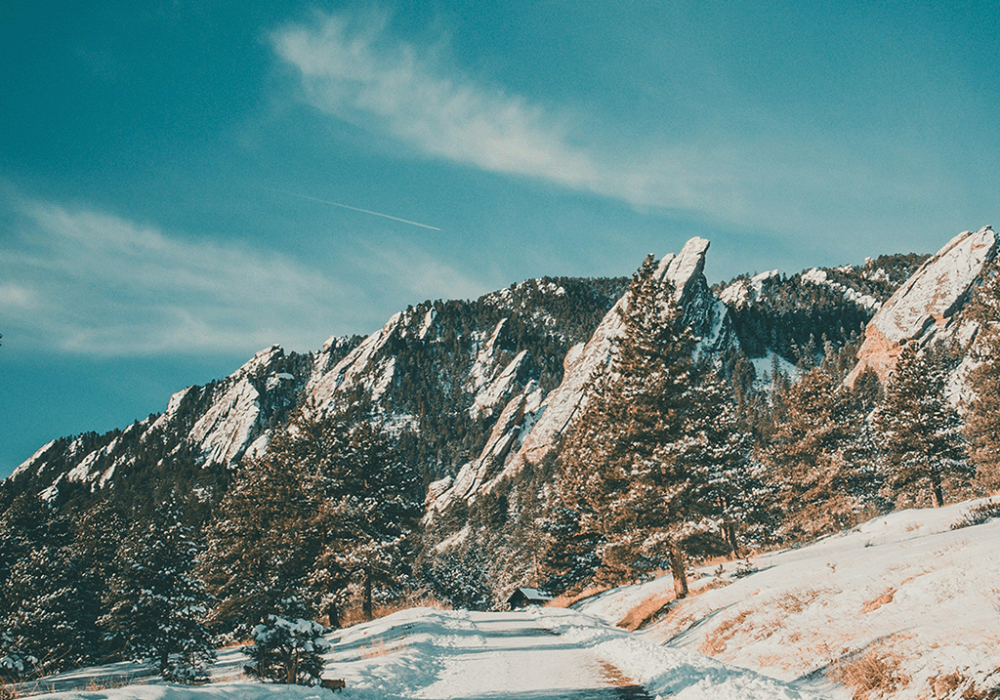
One of the best things about living in Boulder is that the weather allows people to enjoy the outdoors throughout the year. While changing conditions require some planning, each season creates new opportunities to explore the trails, mountains, and outdoor spaces around the city.
Hiking and Biking
Hiking and biking are popular in Boulder during every season. Summer and fall usually provide some of the best trail conditions, with comfortable temperatures and longer daylight hours. Spring can bring muddy trails after snowmelt or rain, so checking trail conditions before heading out is always a good idea.
Skiing and Snowboarding
Winter turns attention toward nearby mountain adventures. Although Boulder does not have its own ski resort, Eldora Mountain Resort is less than an hour away and offers skiing and snowboarding close to town. Many locals enjoy spending a morning on the slopes before returning to Boulder later in the day.
Climbing, Running, and Water Activities
Boulder’s climbing culture is closely connected to its weather. Summer and early fall often provide excellent conditions for climbing, trail running, and exploring nearby waterways. However, afternoon thunderstorms can develop quickly, especially during July and August, so checking the forecast is important.
Parks, Walking, and Everyday Outdoor Life
Outdoor activities in Boulder are not limited to major adventures. Residents enjoy walking along Boulder Creek Path, visiting local parks, and spending time outside whenever the weather allows. Even winter brings sunny days that make outdoor time enjoyable.
Boulder’s changing seasons are part of what makes the city special. With a little preparation and flexibility, the weather rarely stops people from enjoying the outdoor lifestyle that defines this community.
Explore our Top 10 Things to Do in Boulder, Colorado for more ideas on making the most of your time in the city.
FAQs
What is the typical weather like in Boulder, Colorado?
Boulder has a semi-arid climate with low humidity, plenty of sunshine, and four distinct seasons. Summers are warm and dry with occasional afternoon thunderstorms, while winters bring snowfall followed by many sunny days. Spring and fall offer mild temperatures and comfortable conditions for outdoor activities.
Does it get cold in Boulder?
Yes, Boulder gets cold during the winter months, especially from December through February. Temperatures can drop below freezing overnight, and snowfall is common. However, Boulder’s frequent sunshine means many winter afternoons can still feel comfortable.
What is the coldest month in Boulder?
January is typically the coldest month in Boulder, with average highs around 44°F (7°C). Overnight temperatures often fall below freezing, but sunny skies frequently return after winter storms.