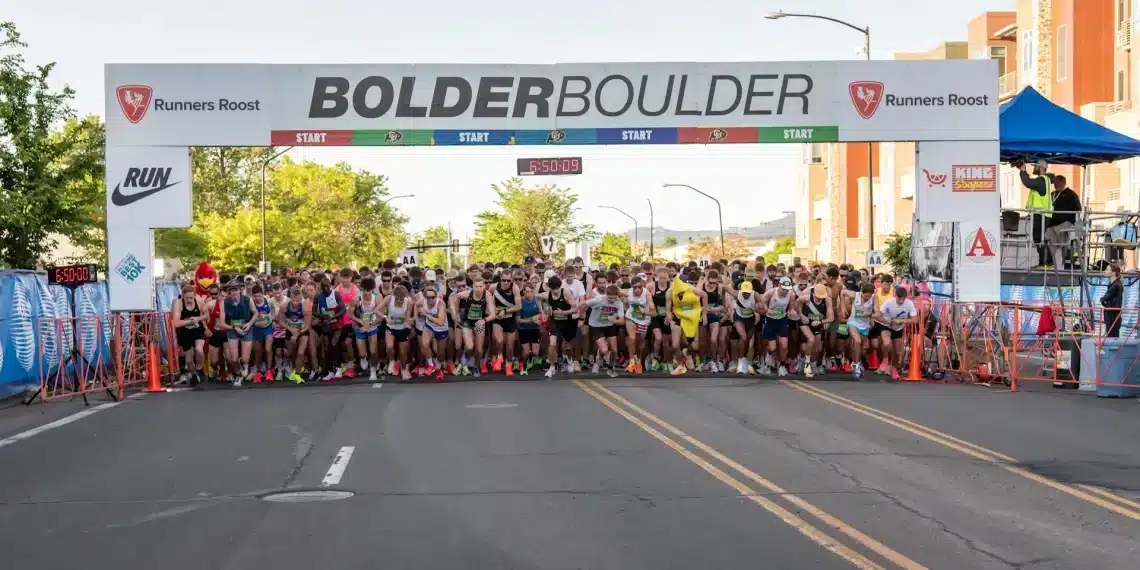



Moving to Boulder is an exciting step, but it also comes with plenty of questions. What is the cost of living really like? Which neighborhood is the best fit? How competitive is the housing market? And what should you expect once you settle in?
After helping people relocate to Boulder for years, I have seen those same questions come up again and again. As a local Realtor, I have worked with buyers and renters who are not just looking for a home, but for a community and a lifestyle that fits their goals.
I put together this Boulder relocation guide to share the practical advice and local insight I give my clients every day. Whether you are moving for work, school, retirement, or simply a change of pace, this guide will help you understand what life in Boulder is really like and how to make your transition as smooth as possible.
In This Boulder Relocation Guide
Whether you’re still planning your move or getting ready to settle in, this guide covers the essentials, including:
- Cost of living in Boulder
- Outdoor lifestyle and daily routines
- Getting around the city
- Finding a home in Boulder
- Local jobs and work culture
- Safety and neighborhoods
- Schools and higher education
- Healthcare and local services
- Tips for settling into your new community
What to Expect When Moving to Boulder
1. Is Boulder Expensive to Live In?
Living in Boulder comes with a higher cost than many other cities, but for many residents, it is part of the investment in the lifestyle they are looking for. From easy access to the Flatirons and miles of hiking trails to a strong job market and an active community, Boulder offers experiences and opportunities that many people feel justify the added expense. Housing is typically the biggest cost, followed by everyday expenses like groceries, dining, and services.
Key Cost of Living Factors in Boulder (2025–2026 Data):
- Housing: Median home prices range from approximately $465,900 to $591,189. Average monthly rent is between $1,566 and $1,662.
- Utilities: Utility costs are generally lower than the national average, estimated at $241 per month.
- Food: Monthly grocery expenses for a family of four range from $1,121 to $1,264.
- Transportation: Average monthly transportation costs are approximately $657.
- Taxes: Colorado applies a flat state income tax rate of 4.50%.
Planning a realistic budget before moving to Boulder can make the transition much easier. Once you’re settled, you’ll be able to enjoy everything the city has to offer while feeling more confident about your day-to-day expenses.
2. What Is It Really Like to Live in Boulder?
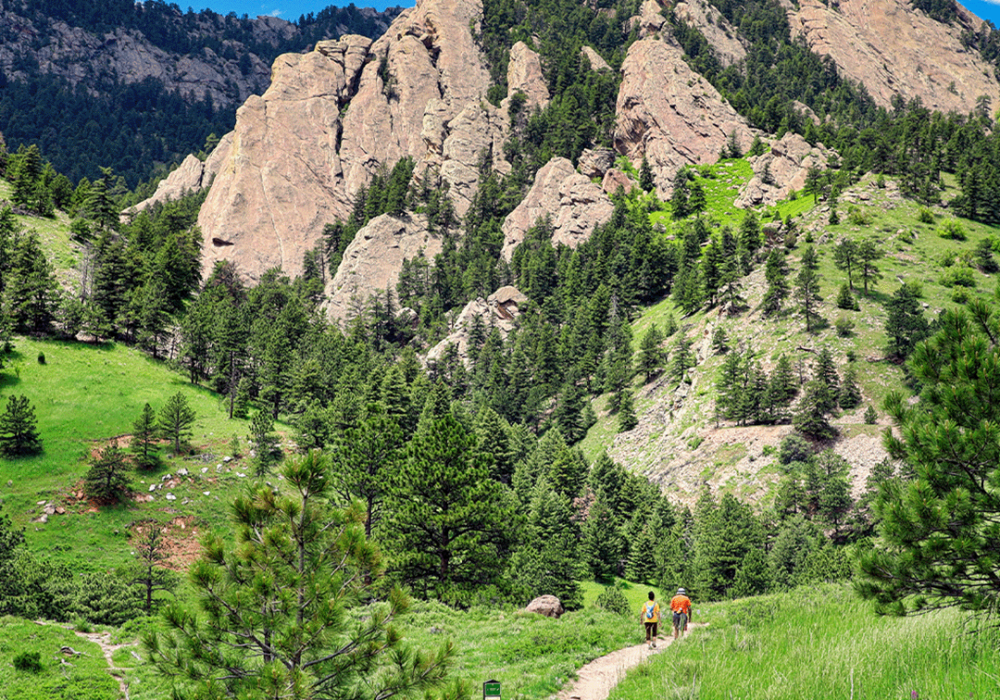
One of the biggest adjustments after moving to Boulder is how naturally the outdoors becomes part of your daily routine. It is common for residents to start the day with a hike, bike ride, or walk before work, then head back outside in the evening to enjoy the trails, parks, or open spaces. Rather than being something you save for the weekend, outdoor recreation becomes part of everyday life. It is one of the reasons so many people choose to call Boulder home.
3. Getting Around Boulder: Walking, Biking, and Driving
One thing many newcomers appreciate after moving to Boulder is how easy it is to get around. Depending on where you live, you may find yourself walking or biking to local coffee shops, restaurants, parks, or even work. Boulder has an extensive network of bike paths and pedestrian-friendly streets, making it easy to leave the car at home for many everyday trips. If you do drive, commute times are generally shorter than in larger metro areas, giving you more time to enjoy everything the city has to offer.
4. How Easy Is It to Find a Home in Boulder?
Finding the right home is one of the biggest parts of planning your move to Boulder. The housing market can move quicklyl, especially in popular neighborhoods, so it helps to begin your search early and understand what different areas have to offer. Whether you’re planning to rent or buy, taking the time to explore Boulder’s neighborhoods and set a realistic budget will make the process much smoother. With the right preparation and local guidance, you can find a home that fits both your lifestyle and your long-term goals.
Renting vs. Buying in Boulder
One of the biggest decisions when moving to Boulder is whether to rent or buy. Renting vs. Buying in Boulder depends on your timeline, budget, and long term goals. If you’re new to the area, renting for a year can be a smart way to explore different neighborhoods, understand your daily commute, and experience living in Boulder before making a long term commitment. Once you’ve found the community that best fits your lifestyle, buying a home can be a valuable long term investment and an opportunity to build equity in one of Colorado’s most desirable real estate markets.
5. Boulder Offers Opportunities Across a Variety of Industries
Whether you’re relocating for a new job or planning a career change, Boulder offers opportunities across a range of industries. The city is home to technology companies, research institutions, the University of Colorado Boulder, federal laboratories, and a growing community of startups and small businesses. Many employers also support flexible and hybrid work, making it easier to take advantage of Boulder’s trails, open spaces, and year-round recreation. For many newcomers, that balance between career growth and quality of life is one of Boulder’s biggest advantages.
6. Boulder Is Known for Its Safe and Welcoming Neighborhoods
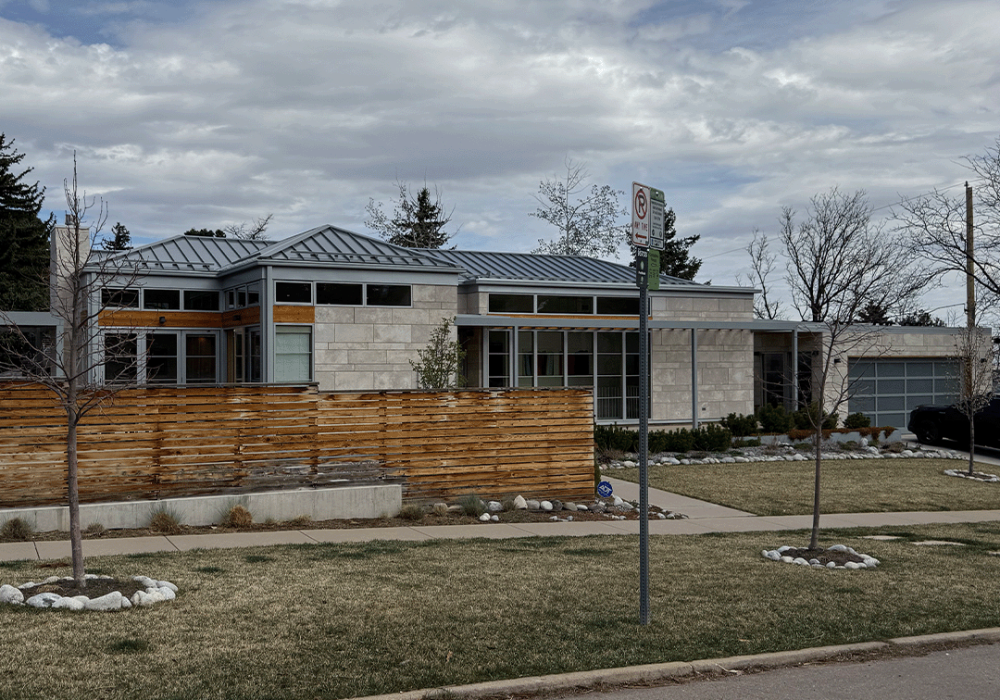
One of the things many people appreciate after moving to Boulder is how welcoming and community-oriented many neighborhoods feel. Residents regularly walk, bike, spend time in local parks, and enjoy the city’s open spaces throughout the day. Like any community, it’s always a good idea to stay aware of your surroundings and take common-sense precautions, but Boulder is widely recognized for its welcoming neighborhoods, access to nature, and high quality of life. Choosing the neighborhood that best fits your needs is an important part of feeling at home.
7. Education Is a Big Part of Life in Boulder
Education plays an important role in what makes Boulder such a vibrant place to live. The University of Colorado Boulder brings students, researchers, faculty, and cultural events to the city throughout the year, creating a lively and innovative atmosphere.
Beyond the university, Boulder is also home to highly regarded public and private schools, making it an attractive choice for families as well. Whether you’re moving here for school, work, or family life, education is woven into the community in many positive ways.
8. Access to Quality Healthcare and Essential Services
As you settle into Boulder, you’ll have access to a wide range of healthcare services, including hospitals, primary care providers, urgent care clinics, and specialty medical practices. Many new residents choose to establish care with a local doctor soon after moving, making it easier to manage routine checkups and future healthcare needs.
Having quality healthcare close to home is just one more reason many people enjoy building a long-term life in Boulder.
How to Settle Into Life After Moving to Boulder
Once you’ve arrived, give yourself time to settle in and get familiar with your new surroundings. A few simple steps can make the transition easier:
- Explore your neighborhood by visiting local parks, coffee shops, grocery stores, and nearby trails.
- Learn how to get around, whether you plan to drive, bike, or use public transportation.
- Enjoy Boulder’s outdoor lifestyle by spending time on the city’s trails, open spaces, and community parks.
- Meet local residents by joining events, recreational activities, or neighborhood groups.
- Take care of important tasks like updating your address, setting up utilities, and finding a local healthcare provider.
Moving to Boulder Checklist
Preparing ahead of time can make your move to Boulder much less stressful. Here are a few things worth checking off before and shortly after you arrive:
- Research neighborhoods that fit your lifestyle and budget.
- Decide whether renting or buying makes the most sense for your situation.
- Create a moving budget that includes housing, utilities, and everyday expenses.
- Arrange utilities and update your mailing address before moving day.
- Register your vehicle and update your Colorado driver’s license, if required.
- Find a primary care doctor, dentist, and other essential healthcare providers.
- Explore nearby grocery stores, parks, trails, and community amenities.
- Take time to get to know your neighborhood and connect with the local community.
Choosing the Right Neighborhood in Boulder
One of the most important decisions you’ll make when moving to Boulder is choosing the right neighborhood. Every area has its own personality, lifestyle, and price point, so it’s worth taking the time to explore your options before deciding where to live.
Here are a few popular areas to consider:
Downtown Boulder
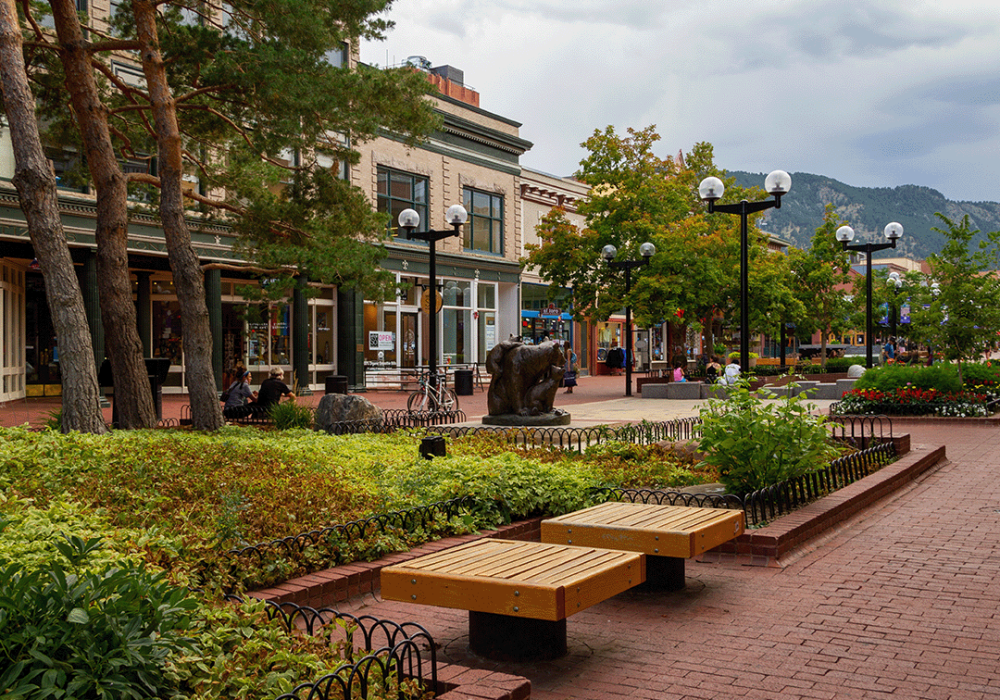
If you enjoy being within walking distance of restaurants, coffee shops, shopping, and community events, Downtown Boulder offers an energetic, walkable atmosphere with easy access to restaurants, shopping, and local events.
North Boulder
North Boulder is known for its quieter neighborhoods, easy access to trails, and a relaxed residential feel. It’s a popular choice for those who want a balance between outdoor recreation and everyday convenience.
South Boulder
South Boulder appeals to many families and outdoor enthusiasts thanks to its parks, open spaces, and established neighborhoods.
University Hill
Located near the University of Colorado Boulder, University Hill has a lively atmosphere with plenty of dining, entertainment, and student activity. It’s a great fit for students and those who enjoy being close to campus.
Ready to Make the Move to Boulder?
Moving to Boulder is about more than finding a new place to live. It’s about choosing a place where career opportunities, access to nature, and an exceptional quality of life come together.
Every move is different, and finding the right neighborhood starts with understanding your budget, lifestyle, and long-term goals. Taking the time to understand the housing market, explore different areas, and plan can make your transition much smoother.
If you’re planning a move to Boulder and have questions about neighborhoods, the housing market, or where you might feel most at home, I’d be happy to help. Feel free to reach out if you’d like local advice or guidance as you plan your move.

CONTACT THE PHILLIPS TEAM TO HELP YOU WITH YOUR NEXT BOULDER AREA HOME
Shad & Claudine Phillips – Certified Mountain Area Specialist 303-218-6926
Have Questions? – Text @ 214-682-2113 – No Really, I Don’t Mind!
FAQs About Moving to Boulder
Is Boulder a good place to live?
Boulder is known for its easy access to nature, high quality of life, diverse job opportunities, and welcoming neighborhoods. While the cost of living is higher than in many cities, many residents feel the quality of life, walkability, and access to recreation make it a worthwhile place to call home.
Is Boulder expensive to live in?
Yes, Boulder has a higher cost of living than the national average, with housing typically being the biggest expense. However, many people choose Boulder because of its outdoor amenities, strong economy, highly rated schools, and overall quality of life.
Should I rent or buy when moving to Boulder?
The right choice depends on your situation. If you’re new to the area, renting can give you time to explore different neighborhoods before committing to a home purchase. If you’re planning to stay long term and have found the right neighborhood, buying may be the better option.
Which Boulder neighborhood is best for new residents?
There isn’t a one-size-fits-all answer. Downtown Boulder is ideal for those who enjoy a walkable lifestyle, while North and South Boulder offer quieter residential neighborhoods with easy access to parks and trails. The best neighborhood depends on your budget, commute, and lifestyle.
What is the best time of year to move to Boulder?
Many people choose to move during the spring or fall when the weather is mild and outdoor activities are plentiful. Summer is also a popular time, although it can be busier because of tourism and the University of Colorado’s academic calendar.
Is Boulder a walkable city?
Yes. Many neighborhoods are designed for walking and biking, and Boulder has an extensive network of multi-use paths, bike lanes, and pedestrian-friendly streets. Depending on where you live, you may find you can complete many daily errands without driving.