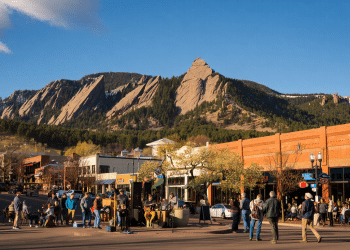
The Flatirons are one of the most iconic natural landmarks in Colorado, drawing visitors from around the world to experience the beauty of the Boulder Flatirons up close. Rising dramatically along the western edge of Boulder, these striking sandstone formations define the city’s skyline and offer unforgettable outdoor adventures.
Located in Flatirons, Boulder, Colorado, these massive rock slabs are part of Boulder’s Open Space & Mountain Parks system, preserving thousands of acres of protected land for recreation, wildlife, and scenic enjoyment. Whether you’re an outdoor enthusiast or a casual traveler, exploring the Flatirons in the Colorado landscape is one of the best things to do in Boulder.
What Are the Flatirons?
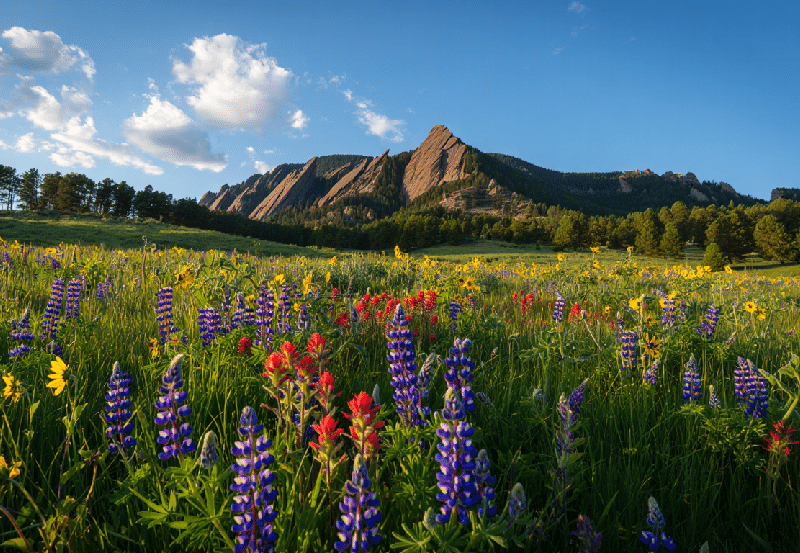
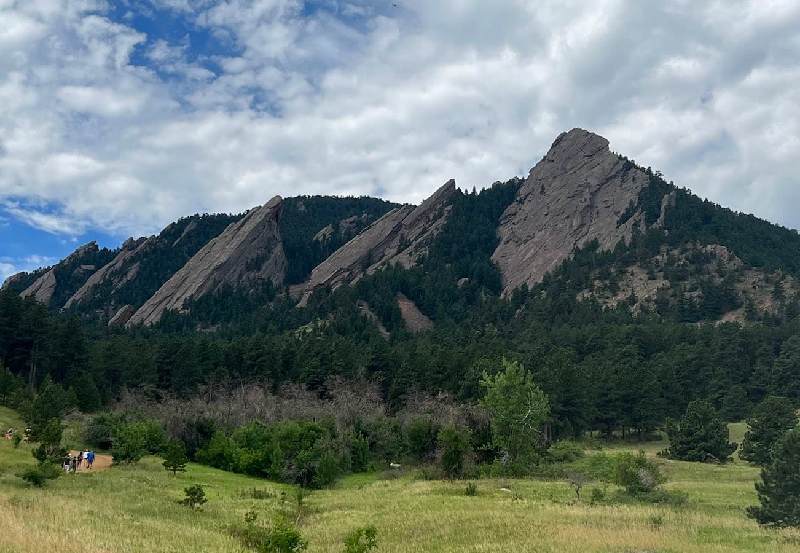
The Flatirons are large, slanted sandstone formations that were created nearly 300 million years ago. Their sharp angles and reddish-brown color make them instantly recognizable. The name “Flatirons” comes from early settlers who thought the rocks resembled the flat metal irons once used for ironing clothes.
There are five main Flatirons, running north to south along Green Mountain. In addition to these, there are several named formations such as the Devil’s Thumb, the Matron, and the Flying Flatiron, making the area geologically fascinating and visually stunning.
Flatiron Locations & How to Reach Them
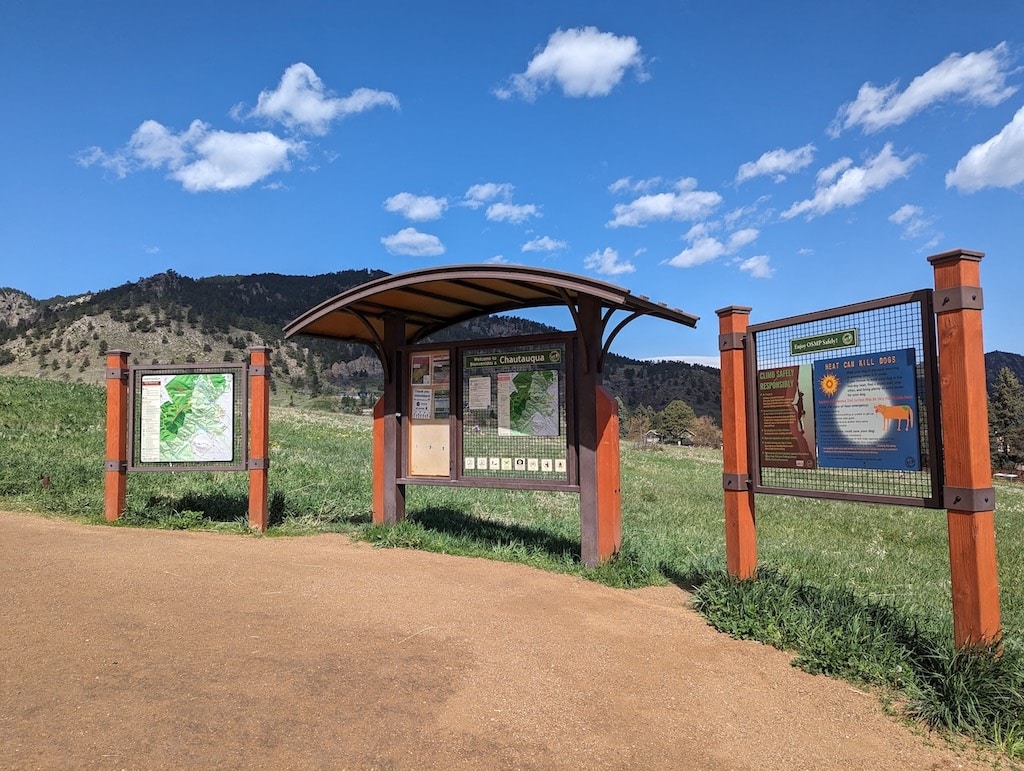
Most flatiron locations are easily accessed through Chautauqua Park, one of Boulder’s most popular outdoor destinations. The Chautauqua Trailhead serves as the gateway to multiple hiking and climbing routes that lead directly into the Flatirons.
Parking can be limited, especially on weekends, so visitors are encouraged to use seasonal shuttle services or arrive early. Once you’re there, clearly marked trails guide you through forests, meadows, and rocky terrain with constant views of the Flatirons Boulder Colorado skyline.
Where to Gear Up Before You Hit the Trails
Before heading to Chautauqua, make sure you’re properly equipped, especially if this is your first time on the Flatirons. Boulder has some of the best outdoor gear shops in the country, and several are just minutes from the trailhead.
Neptune Mountaineering (633 S Broadway) is the local favorite and a Boulder institution since 1973. The staff are climbers and hikers themselves, many of whom know the Flatirons trails personally. It’s the best place to get trail-specific advice alongside gear, and they carry everything from hiking boots to technical climbing equipment.
REI Boulder (1789 28th St) is a solid option if you need a wider selection or want to rent gear rather than buy. They carry trekking poles, hydration packs, and layering options — all worth considering depending on the season.
University Bicycles (839 Pearl St) is Boulder’s go-to local bike shop if you’re planning to combine your Flatirons visit with cycling on Boulder’s extensive trail network.
Hiking the Flatirons
Hiking is the most popular way to experience the Boulder Flatirons. Trails range from beginner-friendly loops to challenging climbs that reward hikers with sweeping views of Boulder and beyond, making it widely considered one of the best things to do in Boulder for those who want to connect with nature without leaving the city.
Easy Hiking Trails for Families
Chautauqua Trail & Meadow Loop (1.6 miles, minimal elevation gain) is the most popular beginner route, winding through open meadows with direct Flatirons views. Wide, well-marked, and manageable for young children.
Bluebell Road Trail is a flat, shaded path following a creek through a forested canyon — ideal for younger kids or hot days when tree cover matters.
Enchanted Mesa Trail offers slightly more elevation but remains accessible for most families, with great views looking back toward Boulder.
Trails for Experienced Hikers
Royal Arch Trail (3.4 miles, 1,400 ft gain) leads to a stunning natural sandstone arch with panoramic city views — the best hike in Boulder for most locals.
Green Mountain Loop (5.5 miles, 2,000+ ft gain) summits at 8,144 feet with 360-degree Rocky Mountain views. Plan for 3 to 4 hours minimum.
Woods Quarry Trail takes you past an old granite quarry and up toward the base of the Flatirons for a closer look at the rock formations — a great option for those looking to avoid the more crowded main routes.
Rock Climbing Adventures
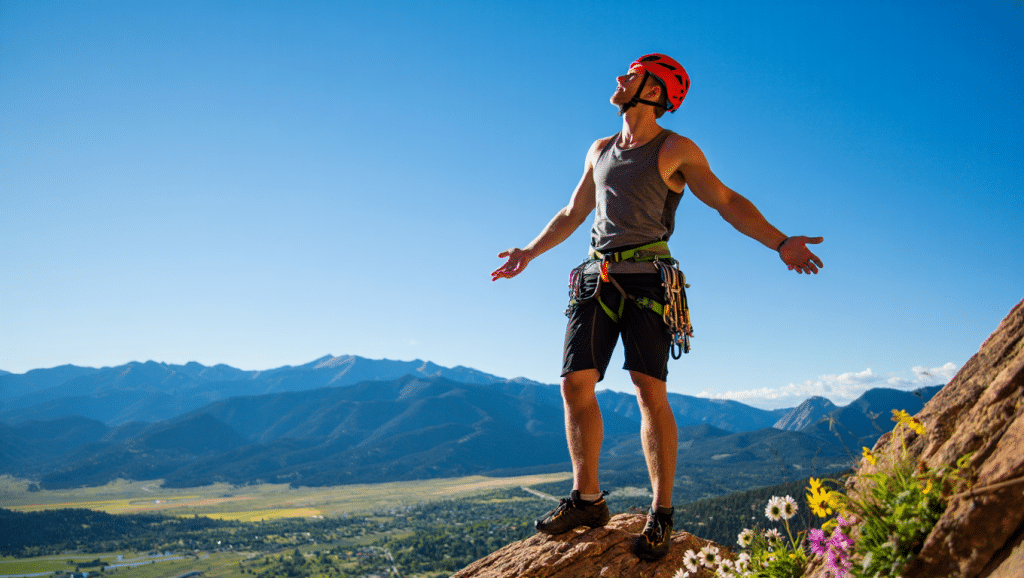
Rock climbing in the Flatirons is legendary. The First, Second, and Third formations are especially known for classic multi pitch routes that attract climbers from across the country. Routes range from approachable beginner classics to more technical lines, so choosing the right climb for your experience level is key.
Climbing requires proper gear, experience, and awareness of seasonal wildlife closures. For most visitors, booking a professional guide is the safest and most enjoyable way to experience the rock.
Top Guided Rock Climbing Services
The Mountain Guides offers guided Flatirons climbs including beginner friendly multi pitch routes. They provide equipment and focus specifically on classic Boulder formations.
Smile Mountain Guides guides climbers up the First, Second, and Third Flatiron, with options for both first time climbers and experienced adventurers. Gear is included.
Golden Mountain Guides provides guided Flatirons climbs for all ability levels, from introductory routes to more advanced objectives.
Seasonal raptor closures typically occur in spring. Always check current access restrictions before planning your climb.
Picnicking & Relaxed Experiences
Not everyone comes to the Flatirons to hike or climb—and that’s perfectly fine. Chautauqua Park offers expansive grassy areas ideal for picnicking while enjoying panoramic views of the Flatirons in Boulder, Colorado.
Families, photographers, and casual visitors often relax here, making it a peaceful way to enjoy one of the most scenic things to do in Boulder, Colorado.
Best Time to Visit the Flatirons
The Flatirons are beautiful year-round. Spring and summer bring wildflowers and lush greenery, while fall offers golden foliage and crisp air. Winter hiking is also popular, with fewer crowds and dramatic snow-dusted views. Just be sure to wear proper footwear for icy trails.
Insider Tips for Visiting the Flatirons
- Yield to uphill hikers, it’s local trail etiquette
- Stay on marked trails to protect wildlife and vegetation
- Check weather and trail conditions before heading out
- Dogs must be leashed unless they meet local control requirements
Considering these guidelines helps preserve the Flatirons for future visitors.
Why the Flatirons Are a Must-See
From dramatic geology to endless outdoor activities, the Flatirons represent the heart of Boulder’s outdoor culture. Whether you’re hiking, climbing, picnicking, or simply taking photos, exploring the Flatirons Colorado landscape is an unforgettable experience and easily ranks among the best things to do in Boulder.
Conclusion
The Flatirons are more than a landmark. They are the reason Boulder feels unlike anywhere else. Whether you come to hike a beginner friendly trail, climb a classic multi pitch route, or simply relax in the Chautauqua meadow and take in the view, the experience stays with you long after you leave. Few places in Colorado offer this kind of natural drama just minutes from a city center.
When you are ready to explore more of Boulder, from farm to table restaurants to historic neighborhoods and the energy of Pearl Street Mall, you will find the same spirit throughout. Boulder rewards those who take the time to know it well, and the Flatirons are the perfect place to begin.
FAQs About the Flatirons
Where should I park for the Chautauqua Trailhead?
The main lot at 900 Baseline Road fills up fast, often by 8am on summer weekends. Use Boulder’s free seasonal shuttle or arrive early to avoid the rush.
Are the Flatirons suitable for beginners and families?
Yes. The Chautauqua Trail and Meadow Loop (1.6 miles, minimal elevation gain) and the flat Bluebell Road Trail are both great options for families and first time visitors.
What is the best time of year to visit the Flatirons?
Spring and fall offer the most comfortable temperatures and fewer crowds. Summer works but expect busy trails and afternoon thunderstorms. Winter is possible with proper footwear for icy conditions.
Do I need a permit to hike or climb the Flatirons?
No permit required for hiking or climbing. However, certain climbing routes close seasonally in spring due to raptor nesting. Check Boulder Open Space and Mountain Parks for current closures before heading out.
Can I bring my dog on the trails?
Yes, dogs are welcome on most trails on leash or under voice and sight control. Rules vary by trail so check Boulder Open Space and Mountain Parks regulations for your specific route.
Do I need experience to go rock climbing on the Flatirons
Not necessarily. Several guided services like The Mountain Guides and Golden Mountain Guides offer beginner friendly climbs with all gear provided and no prior experience required.

CONTACT THE PHILLIPS TEAM TO HELP YOU WITH YOUR NEXT BOULDER AREA HOME
Shad & Claudine Phillips – Certified Mountain Area Specialist 303-218-6926
Have Questions? – Text @ 214-682-2113 – No Really, I Don’t Mind!